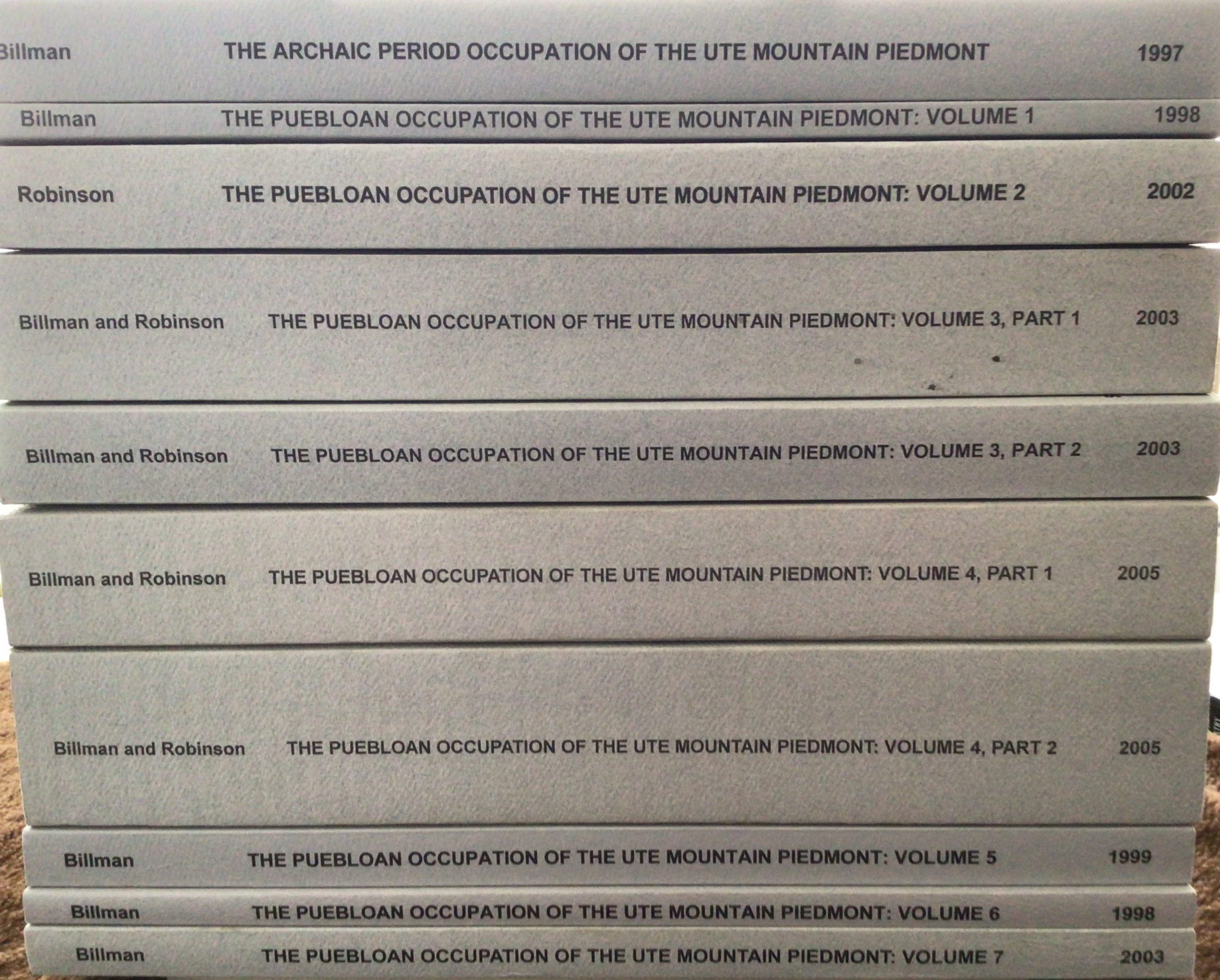

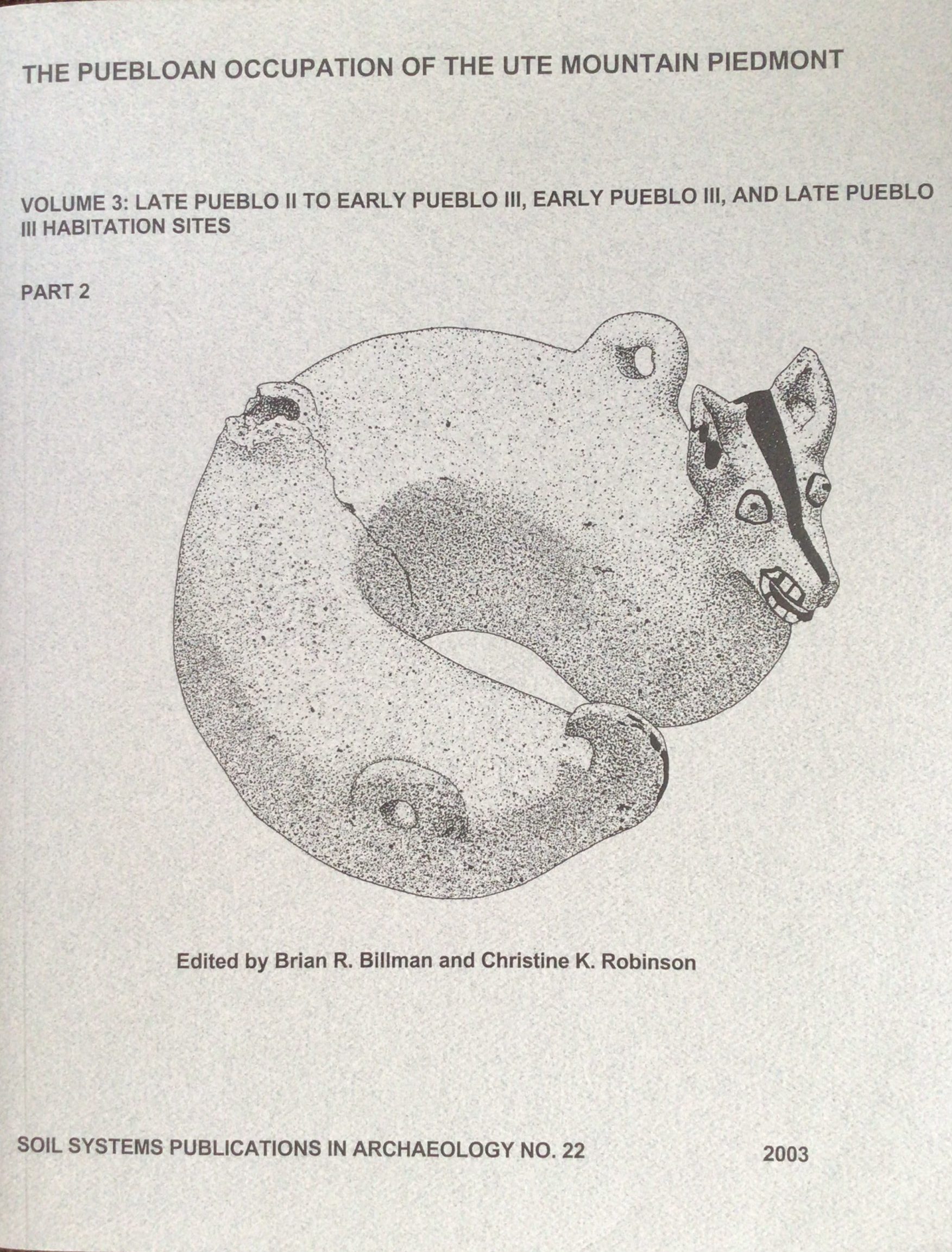
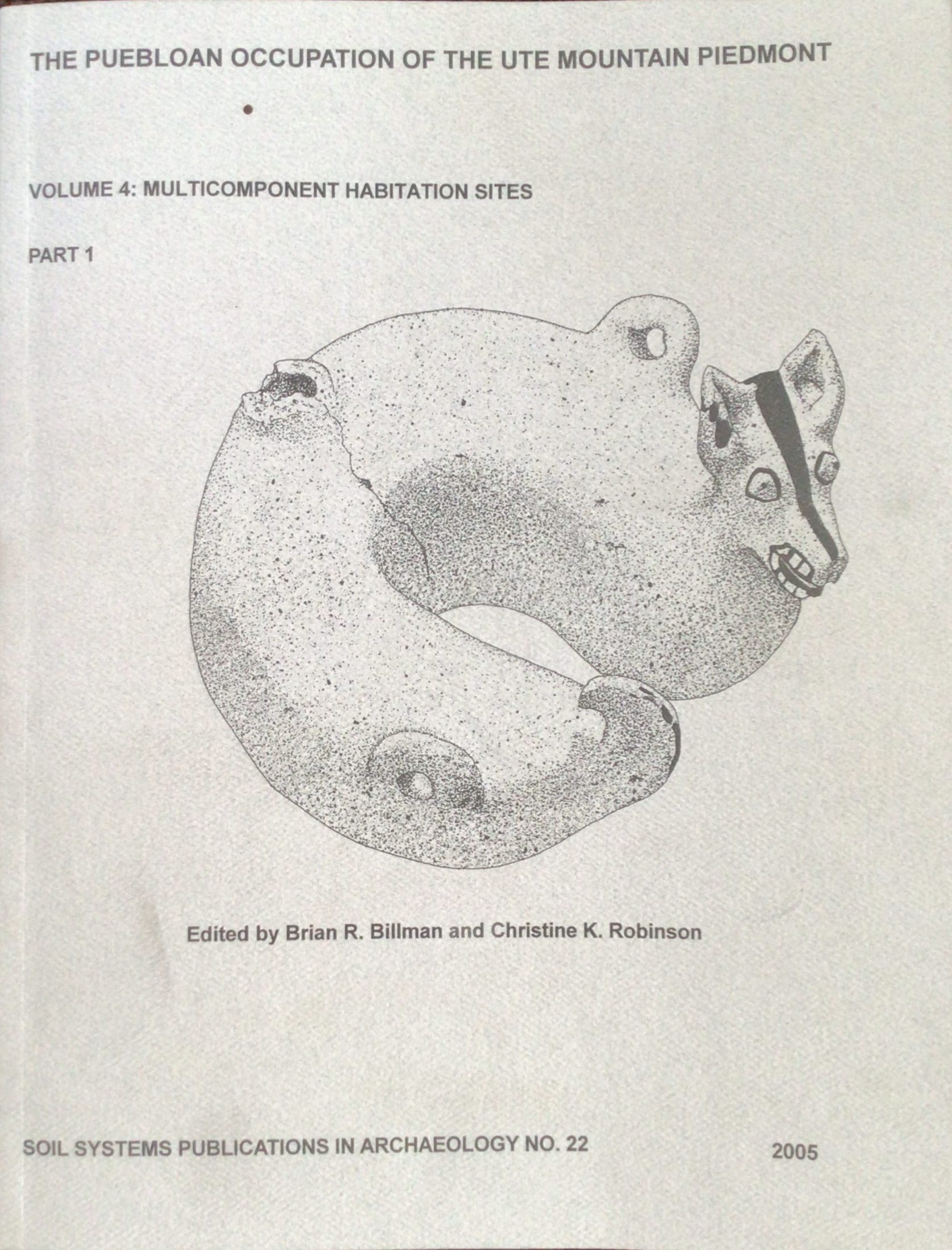
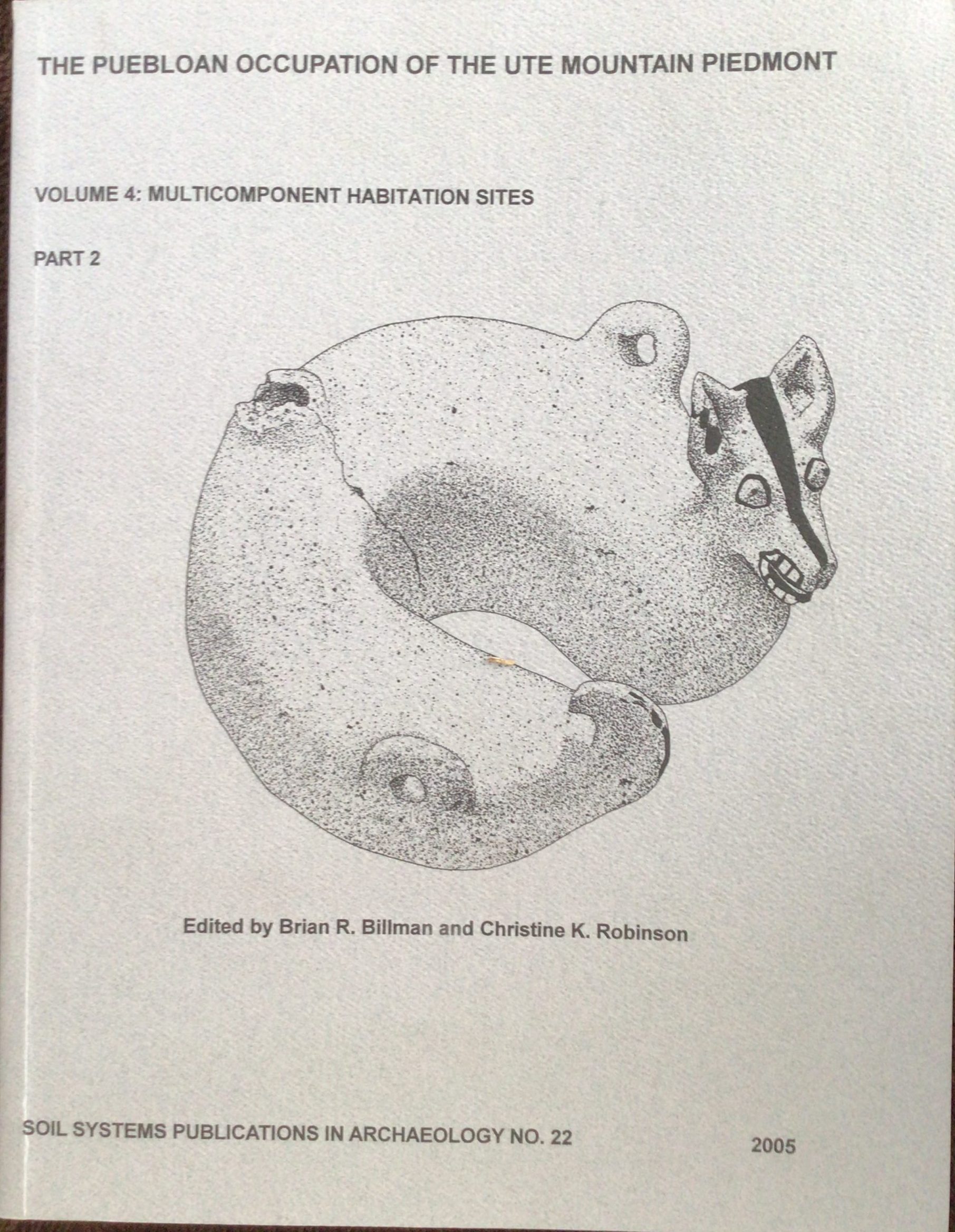
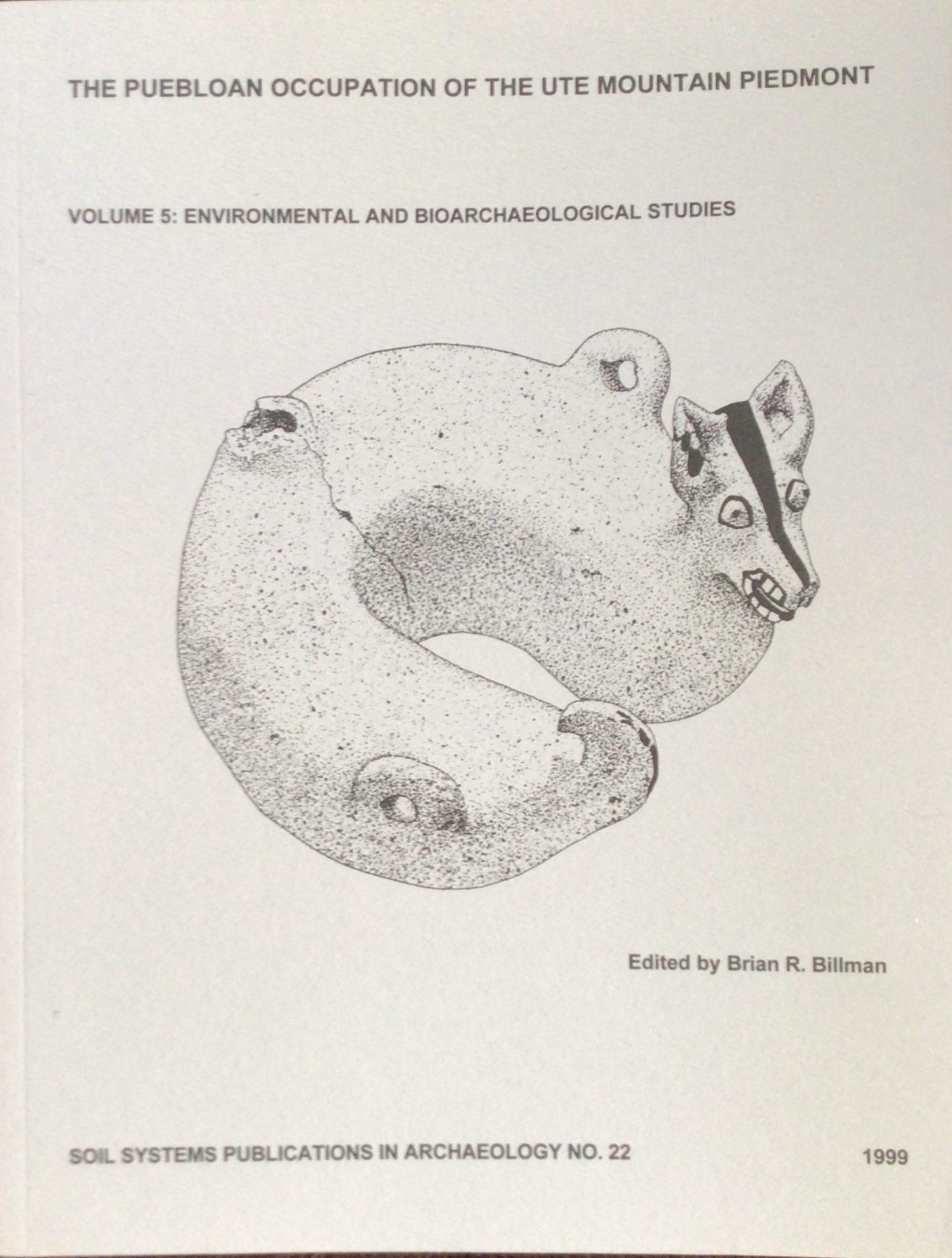
The Puebloan Occupation of the Ute Mountain Piedmont (10 volume set)
$300.00
1 in stock
Description
Editors: Billman, Brian R. and Robinson, Christine K.;
Publisher: Soil Systems Inc.
Pub Date: The Archaic Period (unnumbered precursor volume): 1997
Volume 1: 1998
Volume 2: 2002
Volume 3, Part 1 and 2: 2003
Volume 4, Part 1 and 2: 2005
Volume 5: 1999
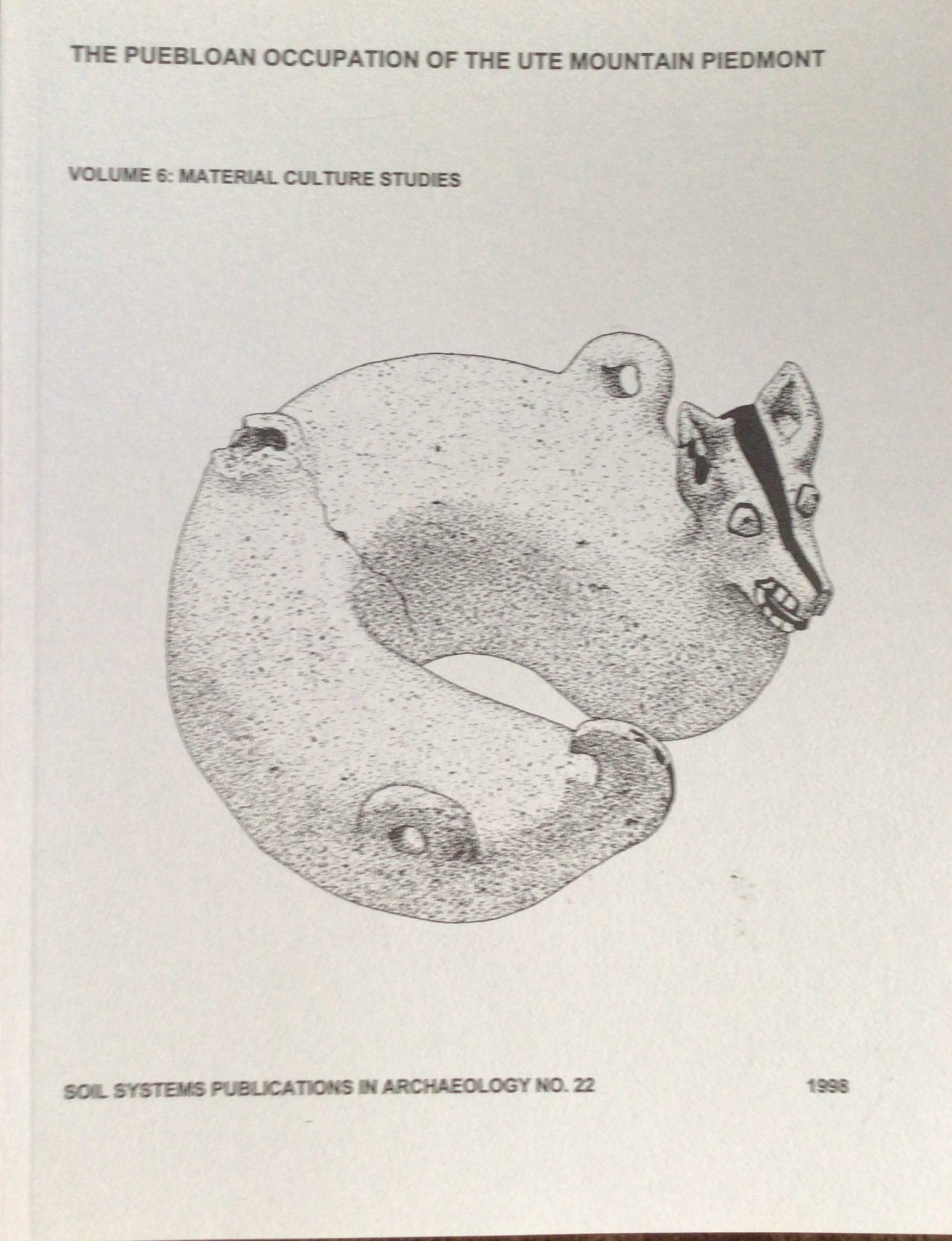
Volume 6: 1998
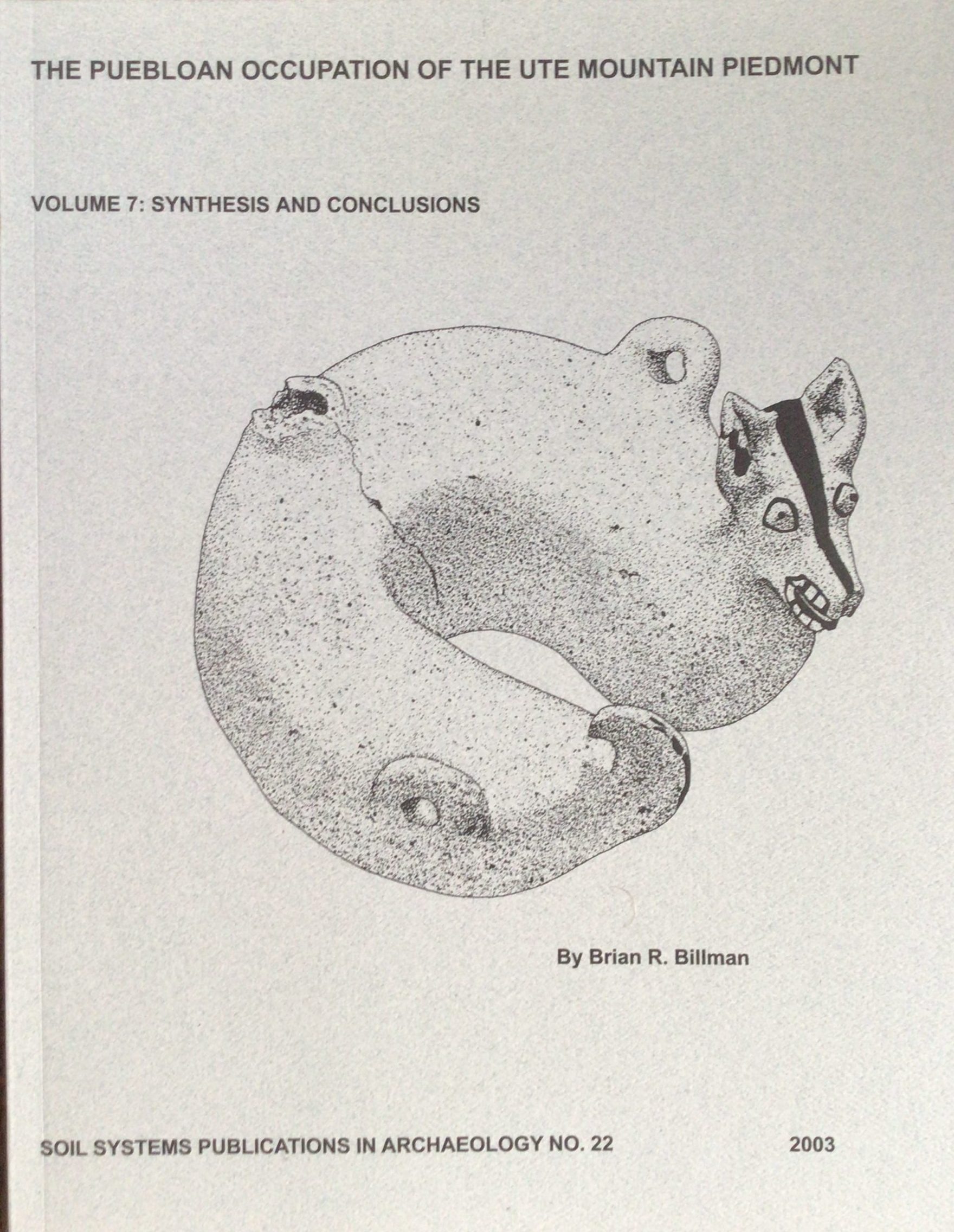
Volume 7: 2003
Binding: Paperback (All volumes)
Condition: The Archaic Period: Fair. Binding tight. No marks, tears. Lower rear cover corner has an approx. 1″ x 1/8″ bend, extends to last 3 or 4 pages. Includes 6 fold-outs. Light edge and corner wear.
Volume 1: Good. Binding tight. No marks, tears, bends or folds. Very light edge and corner wear. Appears unused.
Volume 2: Fair. Binding tight. No marks, tears. Upper front cover corner has an approx. 1″ crease. Lower rear cover corner has an approx. 8″ bend. Some edge wear.
Volume 3, Part 1: Good. Binding tight. No marks, tears, bends or folds. Includes 2 fold-outs. Very light edge and corner wear. Appears unused.
Volume 3, Part 2: Good. Binding tight. No marks, tears, bends or folds. Very light edge and corner wear. Appears unused.
Volume 4, Part 1: Fair to Good. Binding tight. No marks, tears, bends or folds. One small spot on upper front cover, below title. One smudge near lower front cover. Very light edge and corner wear.
Volume 4, Part 2: Fair to Good. Binding tight. No marks, tears, bends or folds. Very light edge and corner wear. Appears unused.
Volume 5: Good. Binding tight. No marks, tears, bends or folds. Appears unused.
Volume 6: Good. Binding tight. No marks, tears, bends or folds. Appears unused.
Volume 7: Good. Binding tight. No marks, tears, bends or folds. Appears unused.
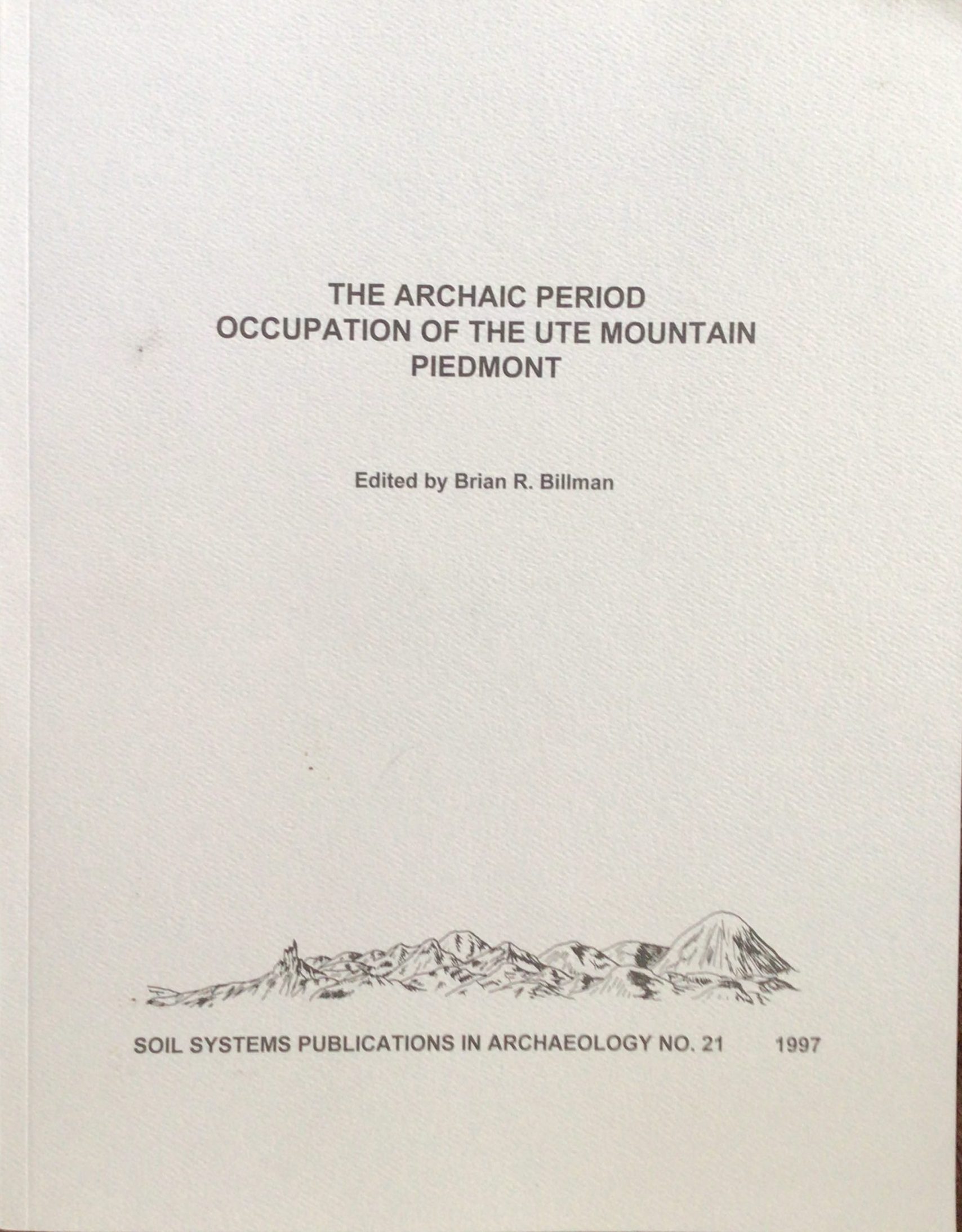
Notes: Soil Systems Publications in Archaeology No. 21. The Archaic Period Occupation of the Ute Mountain Piedmont. “…two field seasons of excavations at 16 aceramic sites on the Ute Mountain Ute Reservation…with the exception of one site (5MT10525), the project sites lacked features or faunal or macrobotanical remains…In contrast, excavations at 5MT10525 revealed a shallow pitstructure with internal features in addition to abundant stone tools and debitage. (From the Foreword)
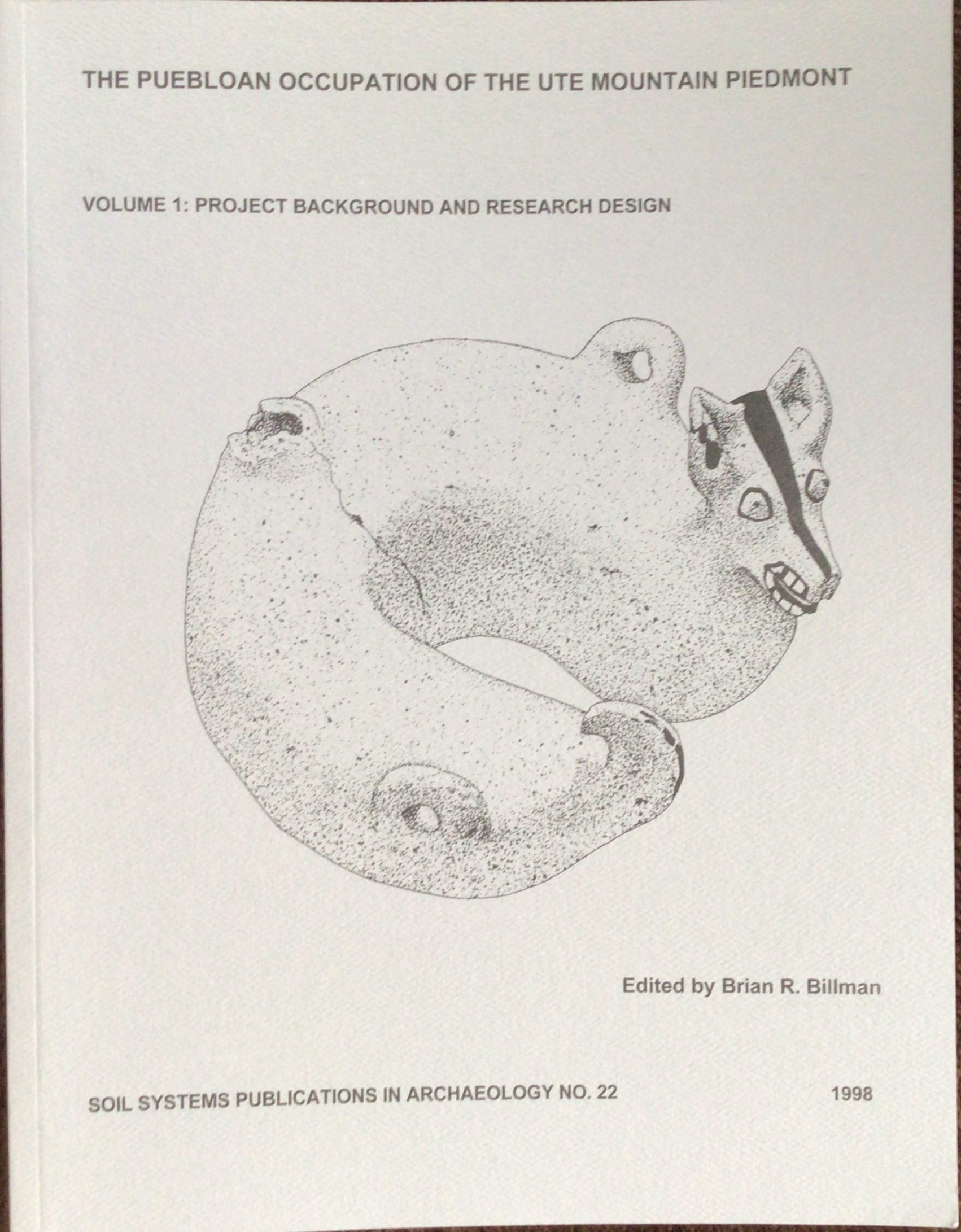
Volume 1: Project Background and Research Design. “…5 field seasons of excavations at 42 Puebloan period sites on the Ute Mountain Ute Irrigated Lands Archaeological Project (UMUILAP)…The UMUILAP brings to a close archaeological investigations associated with the development of McPhee Reservoir and the Dolores Archaeological Project (DAP) that were begun 20 years ago in 1978….The UMUILAP phase of the DAP involved the mitigation of the impacts of the construction of the final phase of the water delivery and field systems on the Ute Mountain Ute Reservation.” (From the Foreword). DAP volumes are all listed separately.
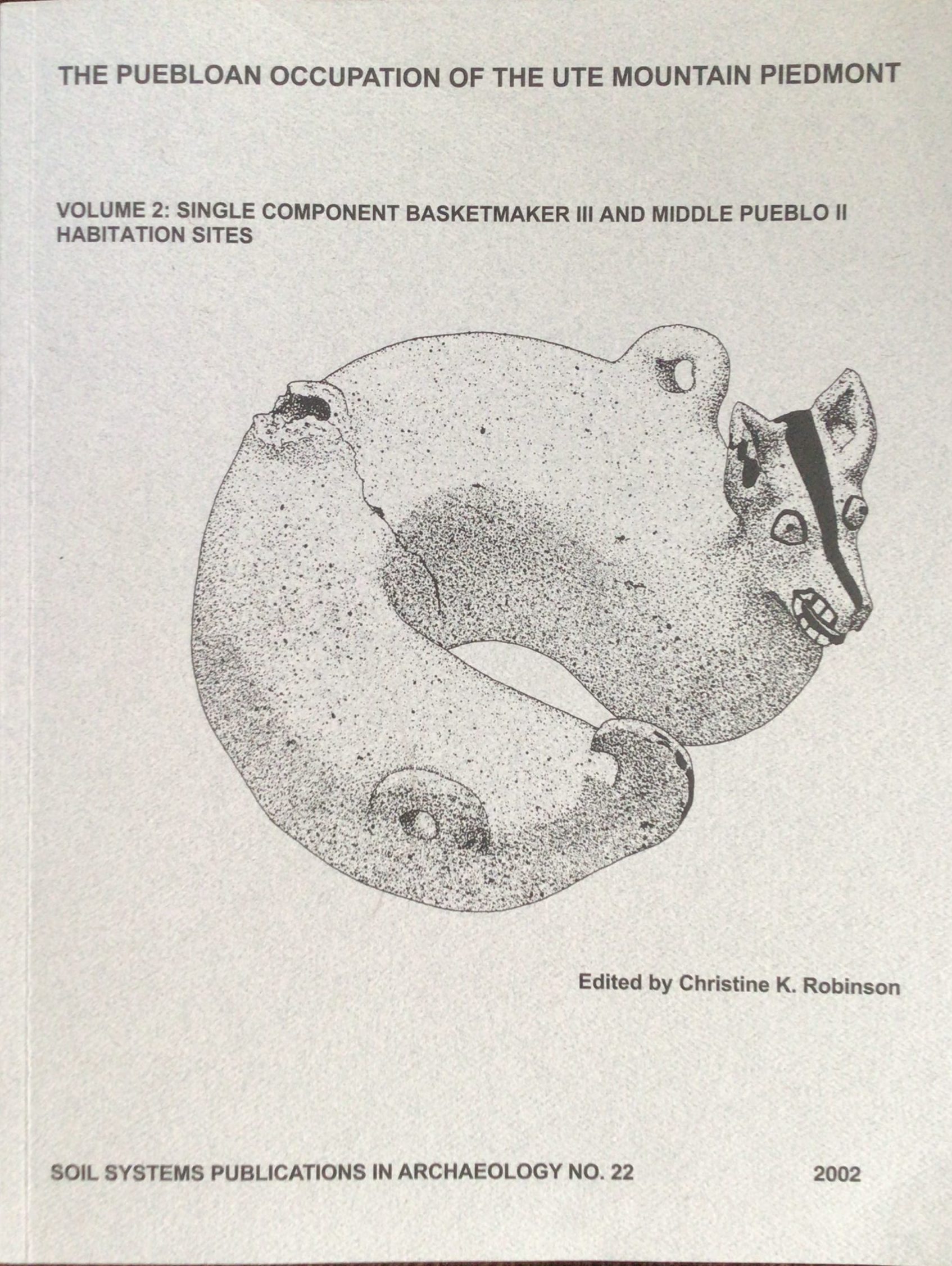
Volume 2: Single Component Basketmaker III and Middle Pueblo II Habitation Sites. “Taken together, these sites document life and death during three attempted colonizations of the southern piedmont by Puebloan horticulturists, and they reflect the dispersed pattern of occupation of the piedmont in Basketmaker III and middle-late Pueblo II.” (From the Introduction)
Volume 3, Parts 1 and 2: Late Pueblo II to Early Pueblo III, Early Pueblo II, and Late Pueblo III Habitation Sites. “…16 pitstructures or kivas, 14 surface structures, 14 small subterranean pitrooms, 1 tower, and numerous extramural features and burials were excavated at the six sites….Typically the habitations sites had large, dense middens with tens of thousand of sherds and appear to be the remains of year-round occupation by several household for one or two generations.” (From the Introduction)
Volume 4, Parts 1 and 2: Multicomponent Habitation Sites. Testing and data recovery at 5 sites, ranging from A.D. 1050 to 1280. “These sites, 5MT8651, 5MT9934, 5MT9942, 5MT9943, and 5MT9948, were on the floodplain of Cowboy Wash and represent five successive attempted colonizations of the southern piedmont of Ute Mountain.” (From the Introduction) Cowboy Wash was the site of the discovery of human coprolites, the first indication of cannibalism by the Anasazi inhabitants. Single copies of both of these volumes are also available.
Volume 5: Environmental and Bioarchaeological Studies. “it is reasonable to assume that productive, wet conditions brought people into the region in the first place, and that sustained years of drought led to its periodic abandonment…The southern piedmont of Ute Mountain was and is an extremely marginal habitat that in the best of times only supported a very small and sparse community. The health data clearly indicate that life in this harsh desert landscape was obtained at a cost. People survived, but life was hard–particularly for children.” (Page 161)
Volume 6: Material Culture Studies. “…the results of the analysis of artifact remains recovered from 42 Puebloan sites excavated during five field seasons…Altogether, 36 pithouses or kivas, 37 pitrooms, 30 surface structures containing 68 rooms, 2 towers, and 17 middens were excavated at 17 Puebloan habitation sites…These investigations resulted in the recovery of over 150,000 artifacts…” (From the Introduction)
Volume 7: Synthesis and Conclusions. “The southern piedmont of Sleeping Ute Mountain seems an unlikely place for human habitation. Yet the piedmont was home to mobile Archaic hunter-gatherers beginning around 3000 B.C., Puebloan farmers, and Ute ranchers. Although driving across the piedmont one sees little evidence of human habitation, the floodplains and ridges are dotted with hundreds of small Puebloan homesteads, fieldhouses, and field camps, two large pueblos are located on West Navajo Wash and Cowboy Wash adjacent to sprints….a history of the sporadic occupation of the piedmont by Puebloan farmers from A.D. 600 to 1280…Across the entire prehistory and history of the southern piedmont, the area never sustained year-round human habitation for more than one or two generations.” (From Chapter 1)
SOLD AS A SET ONLY. I have single volumes of most of these volumes and will list them as I can.
You may also like…
-
Anthropological Papers #113: Climate and the Dolores River Anasazi: A Paleoenvironmental Reconstruction from a 10,000 Year Pollen Record, La Plata Mountains, Southwestern Colorado
$16.00 Add to cart -

Archaeological Investigations on the Johnson Canyon Road Project, Ute Mountain Ute Tribal Lands, Colorado
$25.00 Add to cart -
A Bibliography of the Archeology of Southwestern Colorado: Archuleta, Dolores, La Plata and Montezuma Counties
$6.00 Add to cart -
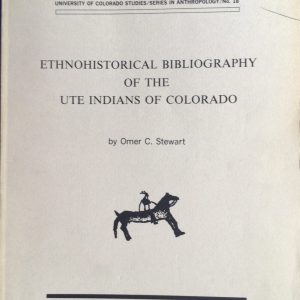
Ethnohistorical Bibliography of the Ute Indians of Colorado
$20.00 Add to cart -

A Nineteenth Century Ute Burial from Northeast Utah
$16.00 Add to cart -
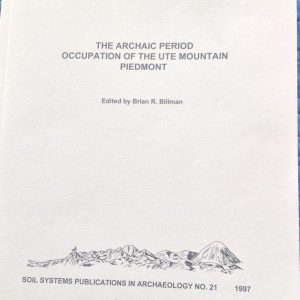
The Archaic Period Occupation of the Ute Mountain Piedmont
$25.00 Add to cart -

A Survey of Vandalism to Archaeological Resources in Southwestern Colorado
$15.00 Add to cart
Related products
-

Tree-Ring Evidence for Climatic Change in the Prehistoric Southwest from A.D. 1000 to 1200
$20.00 Add to cart -
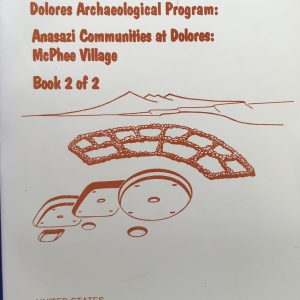
Dolores Archaeological Program: Anasazi Communities at Dolores: McPhee Village (Book 2 of 2)
$30.00 Add to cart -

Tree-Rings as Indicators of Intra-Annual Climate
$20.00 Add to cart -
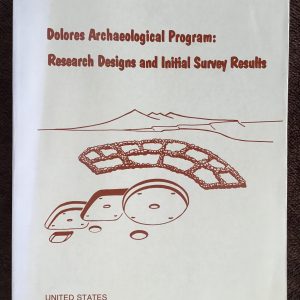
Dolores Archaeological Program: Research Designs and Initial Survey Results
$15.00 Add to cart